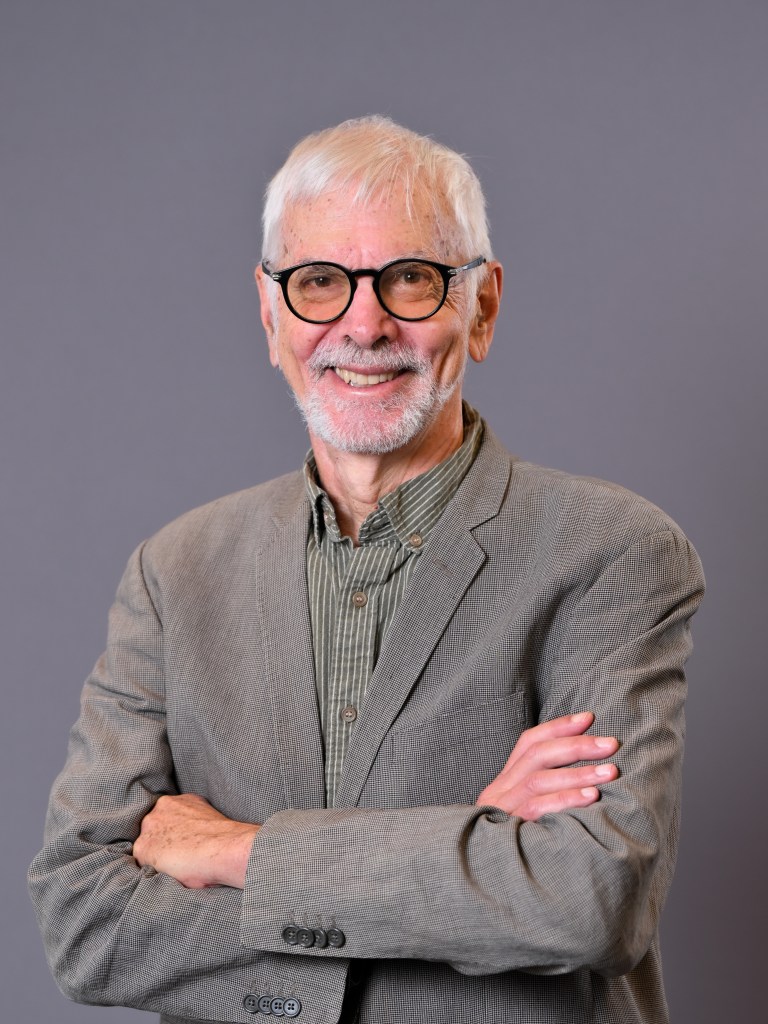
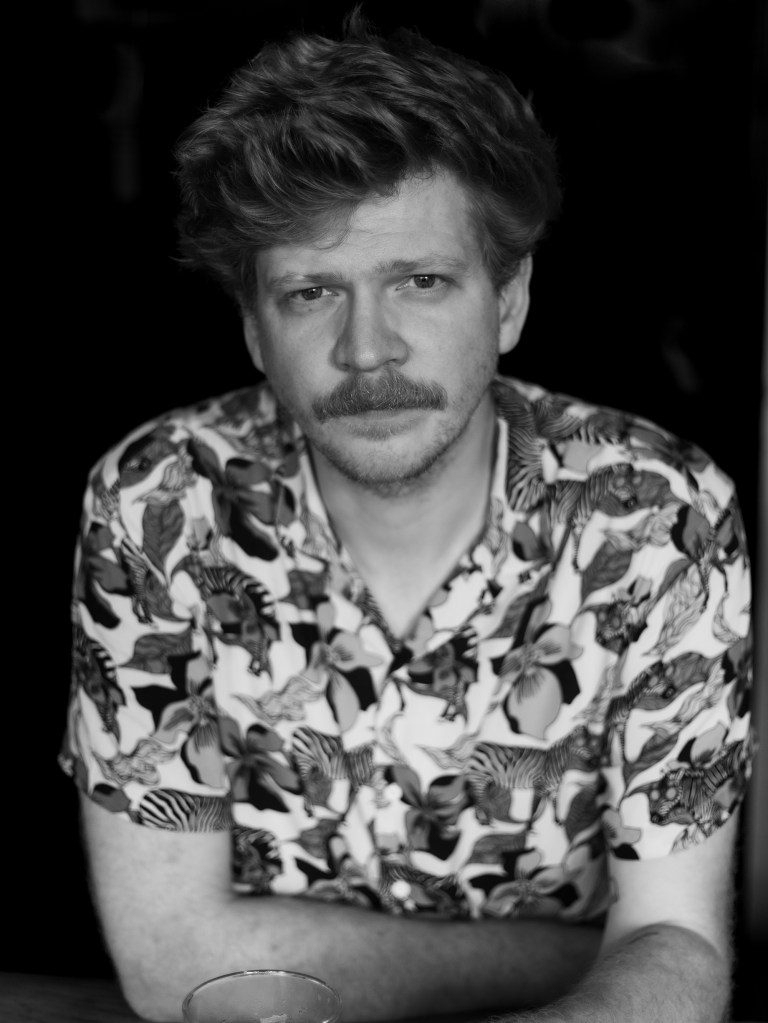
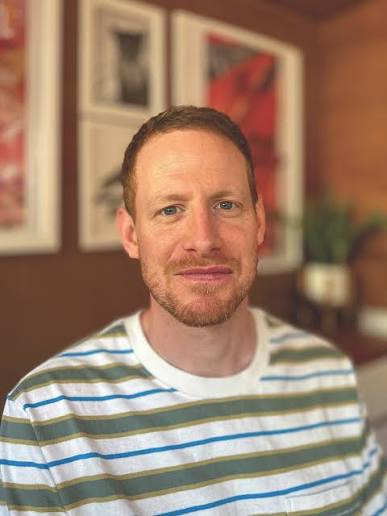
Norman Lamb discusses with Ivan six things which should be better known.
Sir Norman Lamb is the former Liberal Democrat MP for North Norfolk and a former Minister of State for Care and Support. Knighted in 2019 for services to mental health, he also chaired South London and Maudsley Foundation Trust from 2020 to 2025. His new book is Be More Human.
Chris Wilkins is a political consultant, strategist and writer and co-founder of global campaigns & advisory firm the Hanwell Group.
Beginning his career as a political advisor to the Rt Hon Ann Widdecombe in Westminster, Chris went on to become the youngest Director of the renowned Conservative Research Department (CRD) in over 30 years. He later served in the government of David Cameron before becoming Downing Street Director of Strategy and Chief Speechwriter to Prime Minister Theresa May. In this role he had a front row seat in the Brexit negotiations that led to Britain’s departure from the European Union, as he recently documented in Anthony Seldon’s the Brexit Effect.
Beyond Westminster, Chris spent several years living in the Middle East working on national security projects for the UK and US governments, before returning to London in 2012 to work on counter-terrorism communications for the UK Home Office.
As well as being co-founder of The Hanwell Group, Chris is also the Strategy Director of the Atlantic Future Forum (AFF), an annual summit of military leaders, security officials and policymakers held onboard the Royal Navy’s Queen Elizabeth Class aircraft carriers. He performed the same role for Her Majesty the Queen’s Platinum Jubilee Pageant in 2022, during which more than 10,000 performers took to the Mall in central London on the final day of the Jubilee celebrations.
Chris sits on the Board of Centrepoint, the youth homelessness charity whose patron is the Prince of Wales. He has worked in a number of countries around the world including Iraq, Kuwait, Pakistan, the UAE, Lebanon, Saudi Arabia, Tunisia, Morocco, as well as the UK and US. With deep experience in politics, strategic communications and national security, he is a frequent commentator on politics and global affairs on UK and international media.
1. The music of Martyn Joseph: I grew up listening to Martyn’s music and have seen him in concert many times. He’s been described as the ‘Welsh Springsteen’. We have very different political views but I love his passion and his search for justice – even if we ultimately disagree about how that should be delivered. ‘Please Sir’ is a track that speaks to me particularly given my political background.
2. Centrepoint’s 2037 ambition: I sit on the Board of the youth homelessness charity Centrepoint. It’s our ambition to end youth homelessness by 2037 – and we have a strategy to get there. The new PM has made ending rough sleeping a priority. I’d like more people to be aware of Centrepoint’s specific pledge because it can be delivered. And giving every young person a place to call home is the very foundation of a more just society.
3. The virtues of a Rhodia pad and HB pencil: I love nothing more than a Rhodia writing pad and a good HB pencil. But the real point of this is that it’s a reminder to step away from the laptop, stop worrying about the email inbox and to take time to think. There’s not enough of that in this world. Pick up a pad and pencil and it forces you to do it – rather than sitting in front of a computer screen the whole time. My best speeches start being sketched out by hand with a pad and pencil. This is the best way to craft the story you want to tell. Staring at a computer screen won’t cut it.
4. The joy of making music: I grew up learning to play instruments and played in various county orchestras and jazz bands. Every child should be able to do this. It builds confidence, teaches empathy and is a great leveller. I always say that it was my music training, participation in music ensembles and regular concert appearances that set me on the path to becoming a speechwriter, with everything that has followed from that. We talk all the time about the importance of sport in schools. The virtues of teaching and participating in music should be much better known.
5. Maya Angelou quote: the great American poet Maya Angelou once wrote “people will forget what you said, people will forget what you did, but people will never forget how you made them feel”. As a speechwriter and communications advisor, this is my guiding mantra. My industry should be all about understanding how people feel and therefore how you can connect with, and move, them. Too many people spend too long worrying about the ‘message’ rather than the effect. Thinking about how you make someone feel is the very art of strategic communications. So the point is about the quote but also about what I do – strategic comms – and how it works when at its best.
6. A Six Nations game in Cardiff: there’s nothing better in life than Cardiff on international day. The Principality Stadium, which my father helped to build, is the best rugby stadium in the world, and the atmosphere in Cardiff on international day is second to none. But it’s also about rugby: a sport that should be much better known because it entails all of the values and virtues that are absent from a game like football, which we seem to revere. The sportsmanship of a rugby game is what it’s all about. You can support your team as vehemently as you like – but at the end of the day you shake hands with supporters of the other side in a spirit of camaraderie. We need more of this in life. Cardiff on international day is a great example.
Actor Joseph Millson discusses with Ivan six things which should be better known.
Joseph Millson has been a busy and well known actor for over thirty years, an associate artist of the Royal Shakespeare company, he has won many awards for his work on stage and screen. His film and TV work includes Casino Royale, The Last Kingdom, Holby City, Banished, The Sarah Jane adventures, Peak Practice and many, many more. He has a masters degree in screenwriting and has written many films as well as for television.
His first feature film as writer/director ‘Signs Of Life’ won rave reviews and was released digitally and in cinemas across the world. The film won best feature film at the Berlin Indie Film Festival and the London Independent Film festival. Joseph’s memoir ‘Work And Other Four Letter Words’ was a number one best seller on Amazon, it was shortlisted for the 2021 Theatre Book Prize and received five star reviews in the national press and from renowned writers such as Irvine Welsh and Russell T Davies.
The music of Peter James Millson, most of his albums were signed to reveal records, extraordinarily beautiful stuff. Try the album called ’the accidental’ as a gateway album. https://peterjamesmillson.bandcamp.com/
The RSPB centre in Sandy, Bedfordshire, known as The Lodge. Extraordinarily beautiful place, really, and only 45 minutes from london by train or just off A1 by car. https://www.rspb.org.uk/days-out/reserves/the-lodge
Signs of Life: feature film. A beautiful film about grief and kindness. I might have been part of making it but honestly it’s a gem. https://www.youtube.com/watch?v=enZuJmULTVU
Rob Temple discusses with Ivan six things which should be better known.
Rob Temple is a journalist and creator of Very British Problems. His @SoVeryBritish Twitter, Facebook and Instagram accounts have more than 5.6 million combined followers. He’s the consultant on the official Channel 4 Very British Problems series, producer of the Very British Problems Live Show, and a columnist for the Telegraph. His new book is A Very British Midlife.
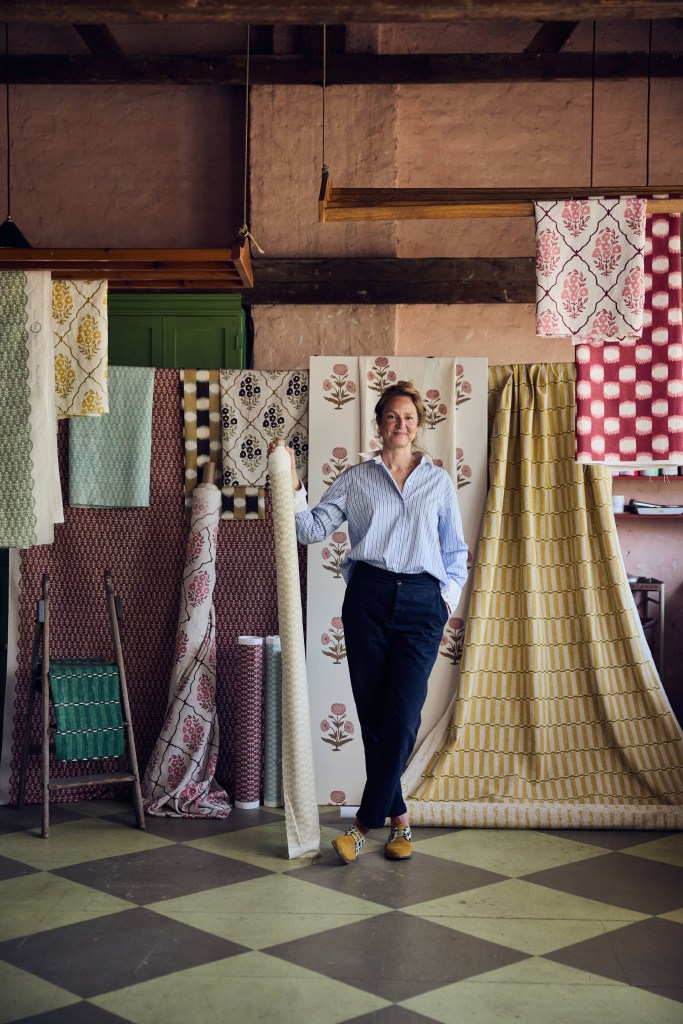
Molly Mahon Autumn/Winter Collection 2026 photographed by Alun Callender
Printmaker Molly Mahon discusses with Ivan six things which should be better known.
Molly Mahon is a distinguished British printmaker and textile designer renowned for her vibrant and original block prints. Offering a range of uplifting collections, each rooted in Molly’s passion for the traditional and transformative craft of block printing, designs merge classic techniques with a fresh, modern aesthetic that feels timeless and joyful. Drawing inspiration from nature and her surroundings in the Sussex countryside, collections of fabrics, wallpapers and homewares are infused with a sense of homeliness that enriches and enlivens interiors. At the heart of the business lies Molly’s enduring love affair with India, a country that profoundly shaped both her creative identity and the spirit of her company. Today, the relationship continues through Molly Mahon’s dedicated block print studio in Delhi. She has collaborated with Firmdale Hotels, Christies and Boden, as well as the likes of Estée Lauder and Meri Meri. She has written a book ‘House of Print: A modern printer’s take ono design, colour and pattern’ which was printed in 2020 and this year is the 10th anniversary of the brand.
Molly Mahon marks her tenth anniversary this September with the launch of Wanderlust – her most personal and considered collection to date. It launches on 21 September.
The collection brings together four of Molly’s most celebrated designs – Bagru, Poppy, Marwari and Luna – reimagined in fresh, earthy colourways, alongside two new designs, Ophelia and Audrey, that represent a natural evolution in her work. Embroidered details, a softer palette and Molly’s signature pops of colour sit alongside each other in a collection that that signals a new era for the brand. Further details are at http://www.mollymahon.com.
The Anokhi Museum, Jaipur – A tiny museum that celebrates the enduring beauty of hand block printing and changed the course of my creative life.
East Sussex – A county where creativity and nature exist side by side, from Charleston to Ashdown Forest, inspiring artists, writers and makers.
The White Umbrella by Brian Sewell – A gentle fable about kindness, compassion and the extraordinary journeys that begin with a single act of care.
Imperfections are the Luxury – The tiny variations in something made by hand are no longer flaws; they’re what make an object unique, authentic and worth treasuring and more and more extinct!
The Craftspeople Behind Beautiful Things – The remarkable makers behind the objects we treasure deserve far greater recognition – is this too connected to the one above?
Florals and Stripes Belong Together – One of decorating’s happiest marriages, proving that the most timeless interiors are built on contrast, confidence and a love of pattern.
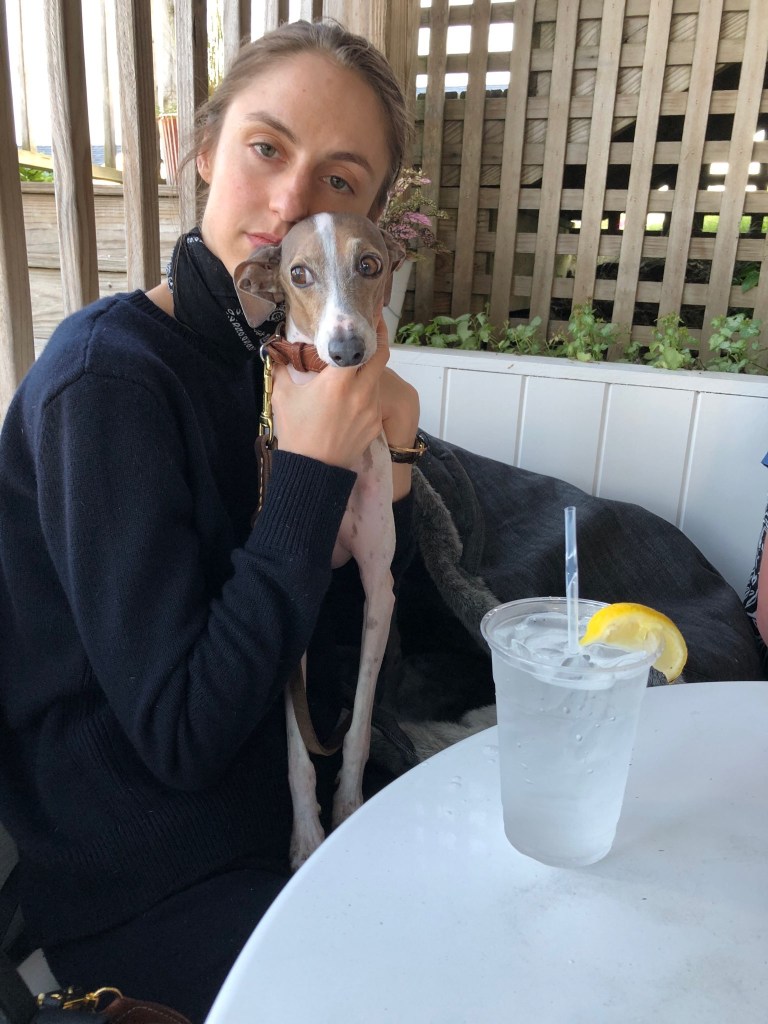
Anna Heyward discusses with Ivan six things which should be better known.
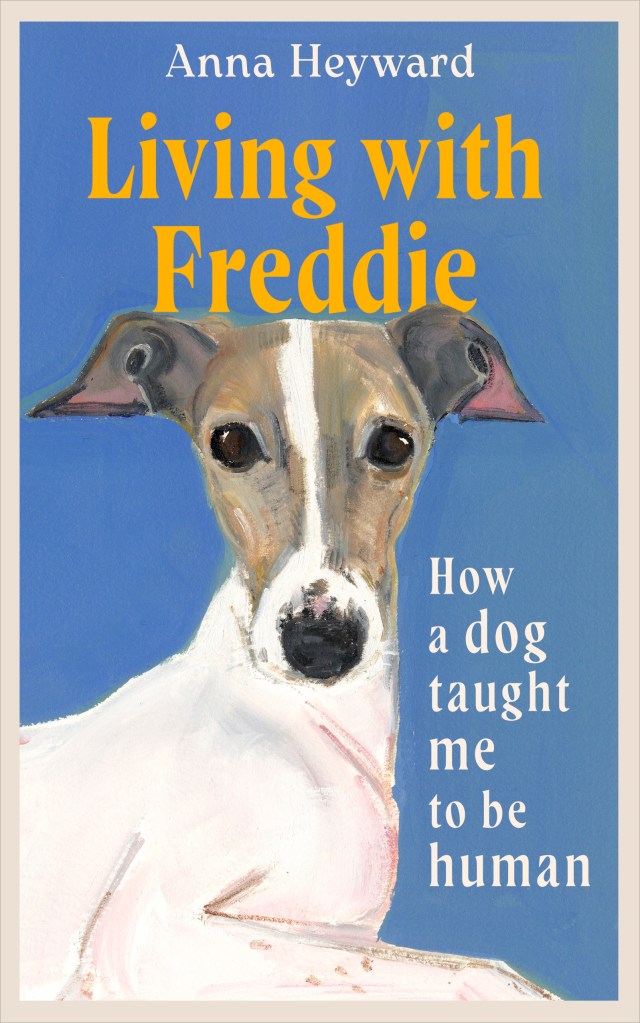
Anna Heyward is a former editorial staffer of The New Yorker. She is a graduate student in animal behaviour and welfare science at the University of Pennsylvania School of Veterinary Medicine and is working as a dog trainer. Her writing has also been published by the New York Times, New York Times Book Review, T Magazine, Paris Review, and Vogue, among others. She was a 2018 Ravitch Fellow at the CUNY School of Journalism. Anna lives in New York but is often in London and Melbourne, where she was born. Based on her New Yorker story Bad Dog, her new book is called Living with Freddie.
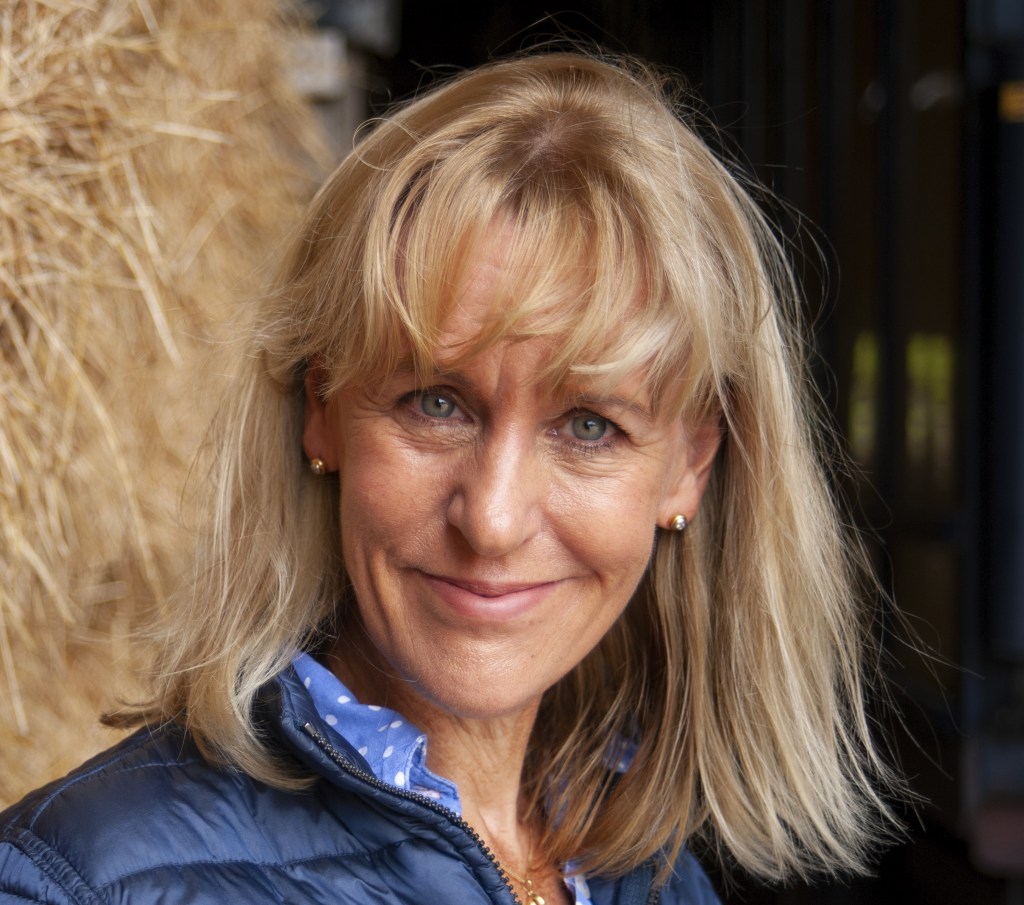
NFU President Minette Batters at her farm in Salisbury, Wiltshire, England on Thursday, Sept 03, 2020. (Photo: Lawrence Looi / NFU Staff)
Minette Batters was the first woman to be elected President of the National Farmers’ Union in 113 years. She worked with four Prime Ministers – three of them in one year – and six Defra Secretaries of State. She stood down from the post in February 2024.
In 2020 she led the NFU on one of the most successful campaigns ever seen, bringing together a coalition of chefs, including Jamie Oliver, farmers, environmentalists, consumer groups and animal welfare experts – resulting in over one million people signing the NFU food standards petition. Minette also co-founded ‘Ladies in Beef’ and the Great British Beef Week.
She’s an ambassador for Farm Africa and a passionate advocate and fundraiser for the Junior Diabetic Research Foundation. She’s run in four marathons, raising over £100,000 for charity. In 2021 Minette was made a Deputy Lieutenant to Her Majesty Queen Elizabeth, and in July 2024 she was made a Crossbench Peer in the House of Lords.
CUNY Graduate School of Public Health and Health Policy Faculty photos on Tuesday, Oct. 28, 2025, in New York. (Photo by Diane Bondareff)
Nick Freudenberg discusses with Ivan six things which should be better known.
Nicholas Freudenberg is distinguished professor emeritus of public health at the City University of New York School of Public Health. His expertise includes childhood lead poisoning, AIDS prevention, urban food policy, community organization for health, and mass incarceration. Since the 1970s, Freudenberg has studied, evaluated, taught about, and participated in health activist campaigns in New York City and elsewhere. Freudenberg is the author of several books, including At What Cost: Modern Capitalism and the Future of Health (2021), Lethal but Legal Corporation, Consumption and Protecting Public Health (2014) and Not in Our Backyards! Community Action for Health and the Environment (1984).
He was the founding director of the CUNY Urban Food Policy Institute, the CUNY Public Health Doctoral Program, and the Hunter College Center on AIDS, Drugs and Community Health.
Ian Green discusses with Ivan six things which should be better known.
Ian Green is a writer from Northern Scotland with a PhD in epigenetics. His debut fantasy trilogy The Rotstorm began with the Sunday Times bestseller The Gauntlet and the First Beneath. His short fiction has been widely published and he won the BBC Radio 4 Opening Lines competition, the Futurebook Future Fiction Prize, and was shortlisted for Best Newcomer at the British Fantasy Awards. His biopunk eco-terrorism thriller Extremophile was one of Financial Times’ Best Science Fiction Books of 2024 and was shortlisted for the Arthur C. Clarke Award and Dragon Award for Best Science Fiction Novel. His swashbuckling new book The Deep and the Drowned is out now from Head of Zeus.
Matt Hill discusses with Ivan six things which should be better known.
Matt Hill is the Philip K. Dick Award-nominated author of Lamb, The Breach, Zero Bomb, Graft, and The Folded Man. He lives in Glossop, on the edge of the Peak District. His new novel is Wrecks.
You have to rinse the suds off your dishes when you’ve washed them. Sounds trite, even silly, but it’s true, and there’s a deeper point around my wife gently challenging me re mental load of managing childcare and housework
Phil Collins was a phenomenal drummer. Before his 80s ballads, Phil was writing wildly inventive drum parts. Brand X, early Genesis, mad time signatures, technically brilliant.
We are surrounded by free food – some of it weeds! Family walks now involve stopping every ten seconds to pick at leaves or berries. Foraging used to be common and now, obviously, isn’t. Nettles factoid, hawthorn ketchup, pig nuts, pineapple weed tea…
The moors of the Peak District are dotted with WW2 aircraft wreckage you can just walk up to. During and after the Second World War, dozens of planes crashed on the hills of the Peak District. Many of those wrecks are still there, including the Bleaklow Bomber. Amazing, raw history – feels rare for it not to be sanitised or in a museum
It takes a scarily long time to stop when you’re doing 80mph. A recent speed awareness course changed my perception of driving, especially residual speeds. By the time a car going at 70mph has stopped, a car braking from 80mph is still doing 40mph – eek
In England, we only have legal access to a tiny amount of land. Free access to the countryside was fought for, and often won, by mass trespass Yet we still only have access to something like 10% of land and 3% of waterways; the rest is enclosed, bounded away, or requires us to pay.