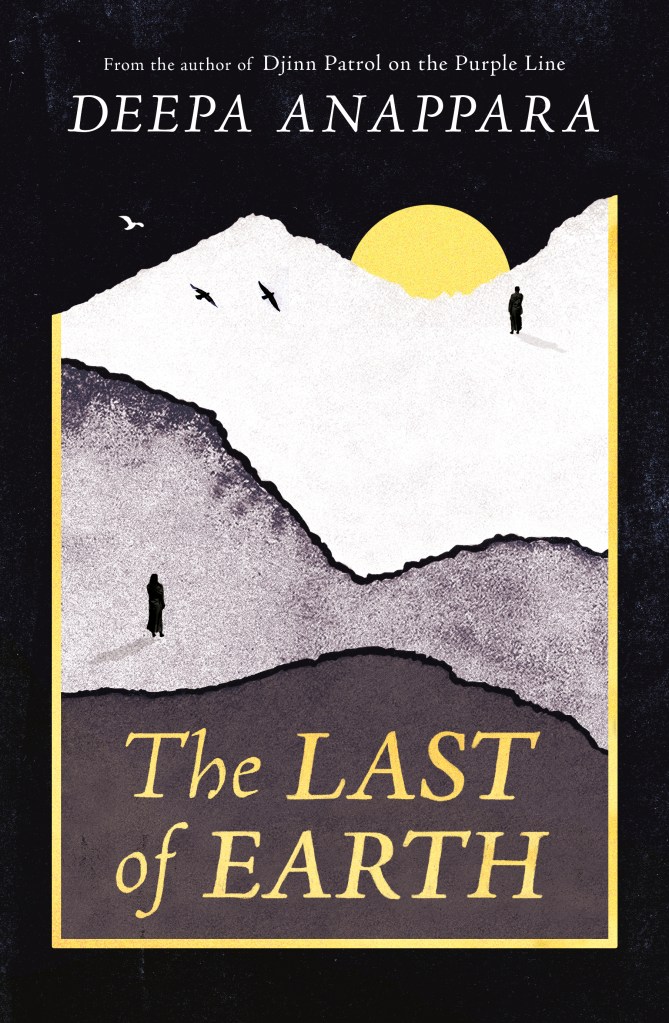
Deepa Anappara discusses with Ivan six things which should be better known.
Deepa Anappara’s debut novel, Djinn Patrol on the Purple Line, was named as one of the best books of the year by the New York Times, Washington Post, Time, Guardian and NPR. It won the Edgar Award for Best Novel, was longlisted for the Women’s Prize for Fiction, and shortlisted for the JCB Prize for Indian literature. It has been translated into over twenty languages. Anappara is the co-editor of Letters to a Writer of Color, a collection of personal essays on fiction, race, and culture. The Last of Earth is her second novel.
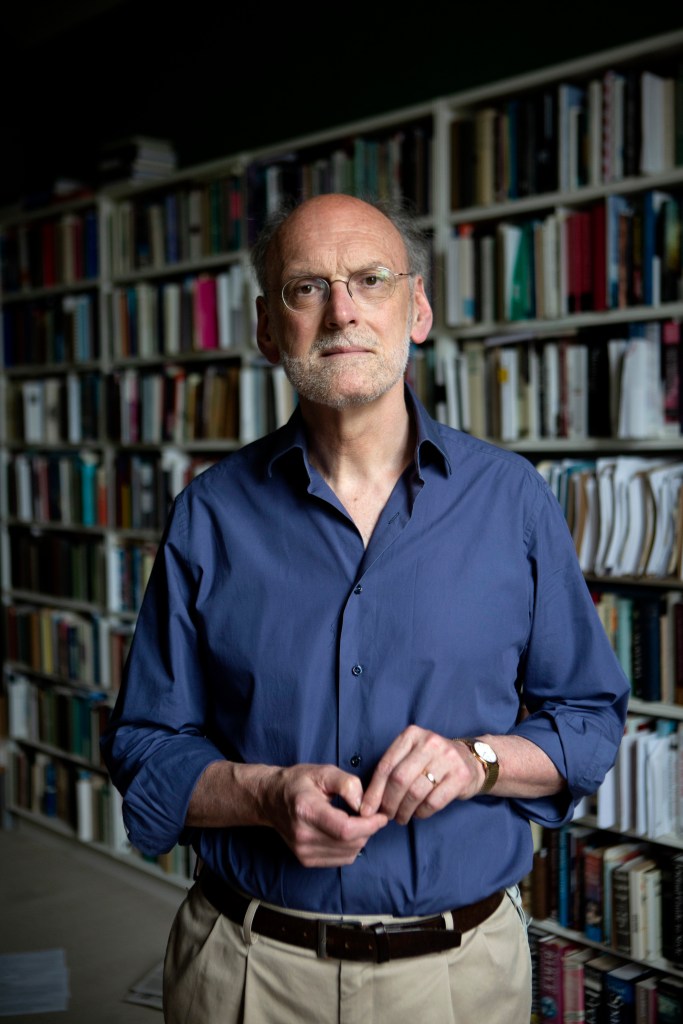
Regius Professor of Moral and Pastoral Theology at The University of Oxford, Photographed at Christ Church College. 19/6/20. Photo Tom Pilston.
Nigel Biggar discusses with Ivan six things which should be better known.
Nigel Biggar is Emeritus Regius Professor in the University of Oxford and Fellow of Christ Church. He founded in Oxford the MacDonald Institute for the study of Ethics and Empire. He is now a Fellow of St Cross College Oxford, and an author, lecturer and broadcaster throughout the English-speaking world. After many acclaimed academic books, he wrote and published the bestselling Colonialism. His new book is The New Dark Age: Why Liberals Must Win The Culture Wars.
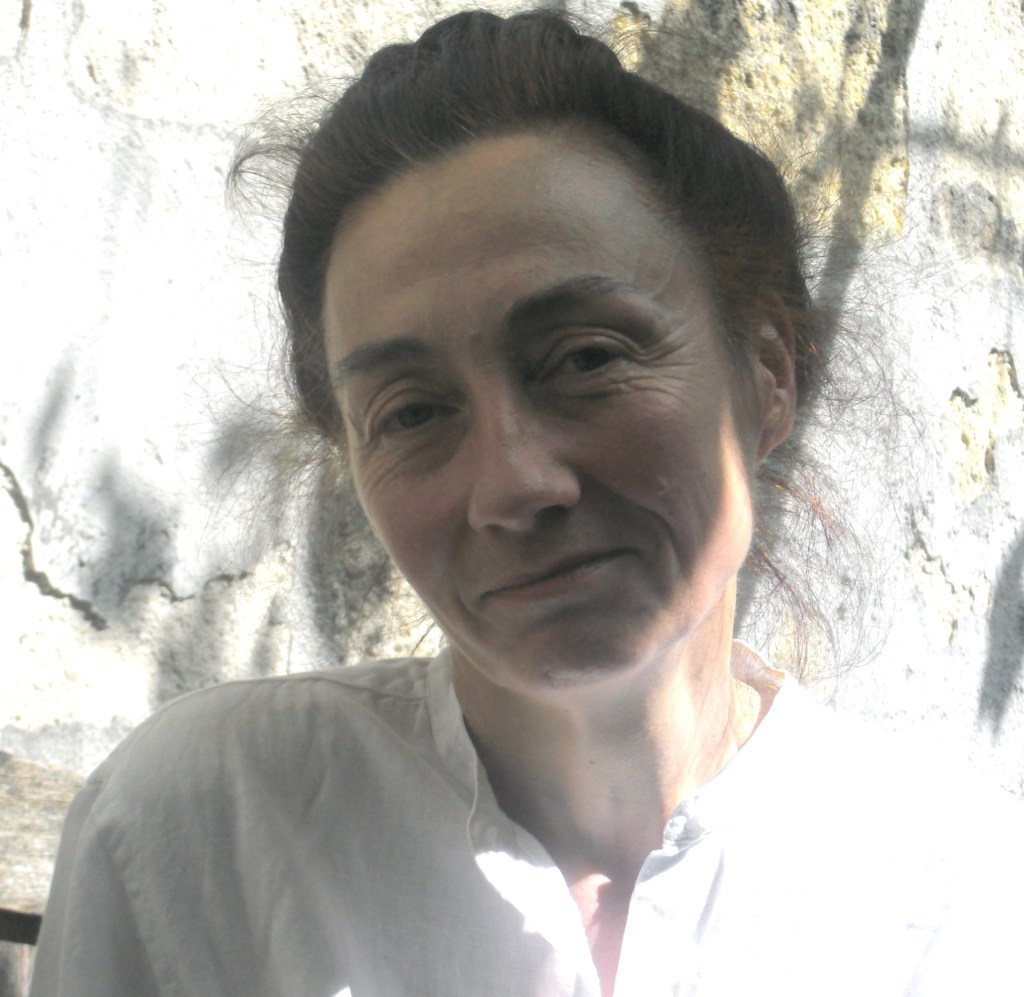
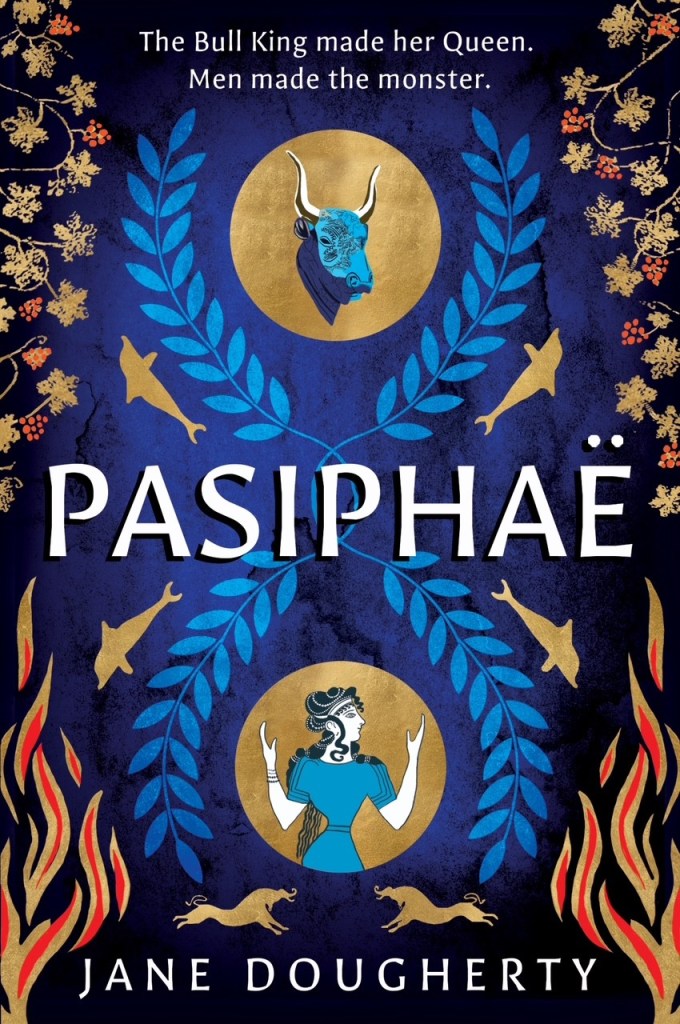
Jane Dougherty discusses with Ivan six things which should be better known.
Jane Dougherty, of Irish origin, grew up in Yorkshire and now lives in France. She began writing by coming up with short stories and a YA series for her teenage children. Her first novel was published by an American publisher Musa in 2014. Since then, her poetry and short stories have been published online, in anthologies and magazines. She has been nominated twice for the Pushcart Prize and has published three poetry pamphlets. The Darkest Tide was published by Northodox Press in 2025. Pasiphae is out now.
1. Being There, Jerzy Kozinski: movie and book – so this is a great example of late/last great art – Peter Sellers was very attached to the story and was determined to make the movie, so he had do more pink panthers for the studio to back him.
2. Lifeguards / Swim Teachers – under-appreciated, under-sexed, underpaid its one of the hardest jobs out there – sitting in a chair dreaming, not doing anything, but people always take it for granted – it’s nothing job but highly trained, loads of responsibility – get paid the same as shelf stacker in a supermarket
3. 40 – So we’re always told that 40 is the new 30 etc – but it’s a dangerous, difficult age, one of the most common life periods for people to break down, particularly male suicide – it’s a weird time for guys, putting on weight, feeling slower, losing muscle mass, losing hair, suddenly feeling less ‘potent’ or over the hill, and its the turning point towards older age.
4. When Biographies Become Biopics: Will Self said writers reading biographies of other writers is basically lit-porn – so we get caught up in a life narrative that often informs the work but steers us away from the original. for example, one of my favourite movies is Love Is The Devil, a movie about Francis Bacon’s relationship with George Dyer.
5. Real Dictators podcast – This is my go to ‘easy’ listening podcast, particularly when really ill I can just leave it on in the background and absorb. It’s narrated by the inimitable Paul McGann of the McGann Brothers. The style is relatively sensational, like a thriller novel, but actually very thoroughly researched, so they have expert talking heads discussing the countries involved. It’s very dark material overall, but I feel it’s good to know the background history of the 20th and 21st centuries, our Western democratic complicities and compromises where we can afford the choices to make a stand or do nothing and let bad things happen–for a variety of reasons – as it happens…
6. Charity shops… the ultimate form of social progression. In London charity shops are a mecca for the undiscerning buyer- you discover things you would never actively seek out in your Westfields etc. particularly for clothes, move beyond jeans, buy trousers, get designer stuff without the hassle of browsing, find great books, CDs are cheaper than downloads, even cool vinyl. Where we are sometimes going wrong is that certain chains overprice items, seeing designer labels and placing them alongside the pricing models of Vinted et al – this defeats the purpose of accessible culture.
Erin Somers discusses with Ivan six things which should be better known.
Erin Somers is a reporter and news editor at Publishers Lunch. Her first novel, Stay Up with Hugo Bestwas a Vogue Best Book of the Year in 2019. Her writing has appeared in the New Yorker, Paris Review, New York Times Book Review, New Republic, New York Magazine, Atlantic, Esquire, GQ, Best American Short Stories and many other publications. She has been the recipient of an Emerging Writer Fellowship from the NYC Centre for Fiction, a fellowship from the Millay Colony, and was a 2020 finalist for a National Magazine Award. She lives in New York’s Hudson Valley with her family. Her new novel is The Ten Year Affair.
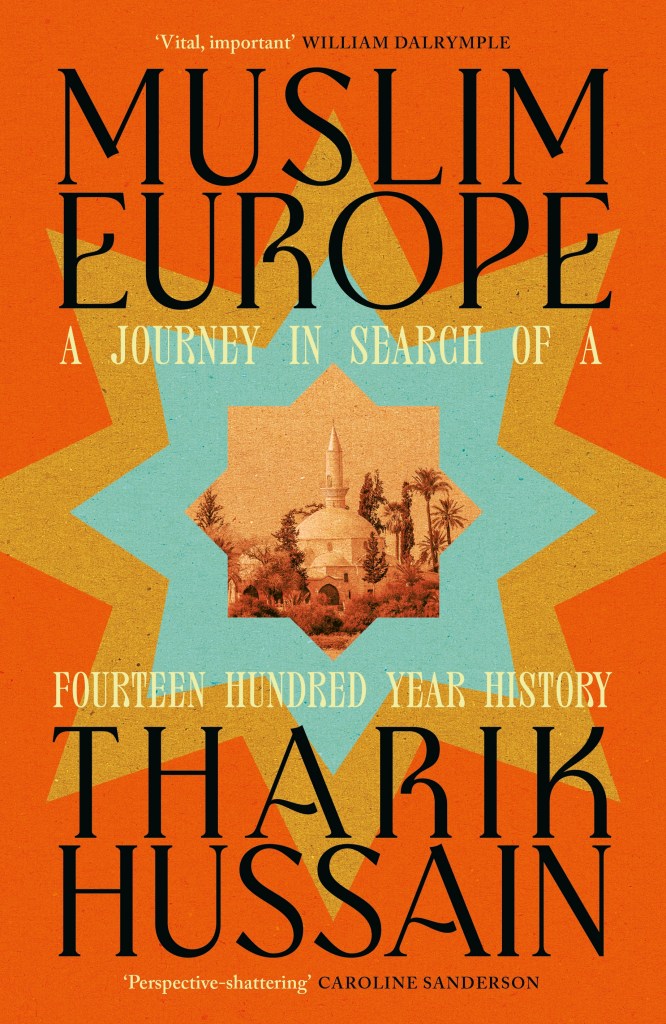
Tharik Hussain, who previously appeared on the podcast in 2022, discusses with Ivan six further things which should be better known.
Tharik Hussain is an award-winning author and journalist specialising in global Muslim heritage and culture. He has written for newspapers such as The Times, Guardian and Telegraph, magazines such as National Geographic Traveler, and broadcast media such as Al Jazeera and the BBC. For the latter, he produced award-winning radio program America’s Mosques. Tharik has written or contributed to travel books on areas including the Middle East, Southeast Asia and Europe, and his book on Islam in the Western Balkans, Minarets in the Mountains, was longlisted for the Baillie Gifford Prize, shortlisted for the Stanford Dolman Travel Book of the Year, and won the Adele Evans Award. His new book is Muslim Europe.
Historian Brooke Newman discusses with Ivan six things which should be better known.
Dr. Brooke Newman is an Associate Professor at Virginia Commonwealth University and a Fellow of the Royal Historical Society. She specializes in the history of early modern Britain and the British Atlantic, with a focus on slavery and its legacies. She is the author of the award-winning book, A Dark Inheritance: Blood, Race, and Sex in Colonial Jamaica (Yale, 2018), and The Crown’s Silence: The Hidden History of Slavery and the British Monarchy (Mudlark, 2026). Her writing and research have been featured in the Guardian, the Washington Post, Der Spiegel, and Smithsonian Magazine, and she has served as a historical expert for HBO’s Last Week Tonight, Vox, the BBC, and NPR, among others.
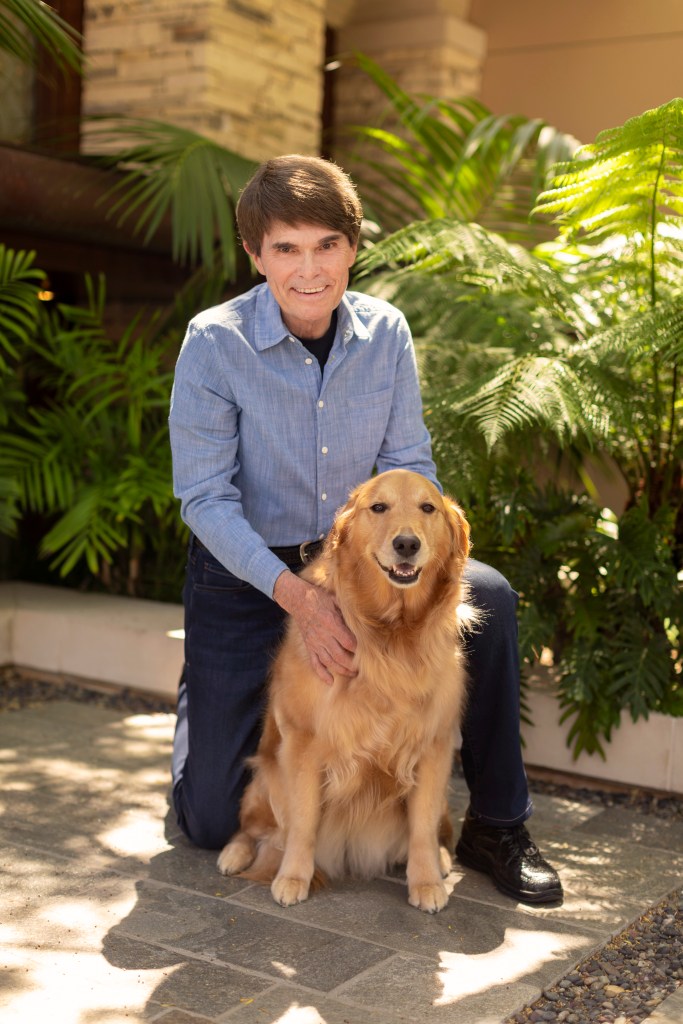
Dean Koontz discusses with Ivan six things which should be better known.
Dean Koontz won an Atlantic Monthly fiction competition when he was a senior in college, and has been writing ever since. Fourteen of his novels have risen to number one on the New York Times hardcover bestseller list (One Door Away From Heaven, From the Corner of His Eye, Midnight, Cold Fire, The Bad Place, Hideaway, Dragon Tears, Intensity, Sole Survivor, The Husband, Odd Hours, Relentless, What the Night Knows, and 77 Shadow Street), making him one of only a dozen writers ever to have achieved that milestone. Sixteen of his books have risen to the number one position in paperback. His books have also been major bestsellers in countries as diverse as Japan and Sweden. Many of his books have been made into films.
The New York Times has called his writing “psychologically complex, masterly and satisfying”. The New Orleans Times-Picayune said Koontz is “at times lyrical without ever being naive or romantic. [He creates] a grotesque world, much like that of Flannery O’Conner or Walker Percy … scary, worthwhile reading.” Rolling Stone has hailed him as “America’s most popular suspense novelist”.
Dean Koontz was born and raised in Pennsylvania. He graduated from Shippensburg State College (now Shippensburg University), and his first job after graduation was with the Appalachian Poverty Program, where he was expected to counsel and tutor underprivileged children on a one-to-one basis. His first day on the job, he discovered that the previous occupier of his position had been beaten up by the very kids he had been trying to help and had landed in the hospital for several weeks. The following year was filled with challenge but also tension, and Koontz was more highly motivated than ever to build a career as a writer. He wrote nights and weekends, which he continued to do after leaving the poverty program and going to work as an English teacher in a suburban school district outside Harrisburg. After a year and a half in that position, his wife, Gerda, made him an offer he couldn’t refuse: “I’ll support you for five years,” she said, “and if you can’t make it as a writer in that time, you’ll never make it.” By the end of those five years, Gerda had quit her job to run the business end of her husband’s writing career.
Dean Koontz lives in Southern California with Gerda and their golden retriever, Elsa. Dean and Gerda share a deep love of dogs. His new book is The Friend of The Family.












 Better Known