Listen

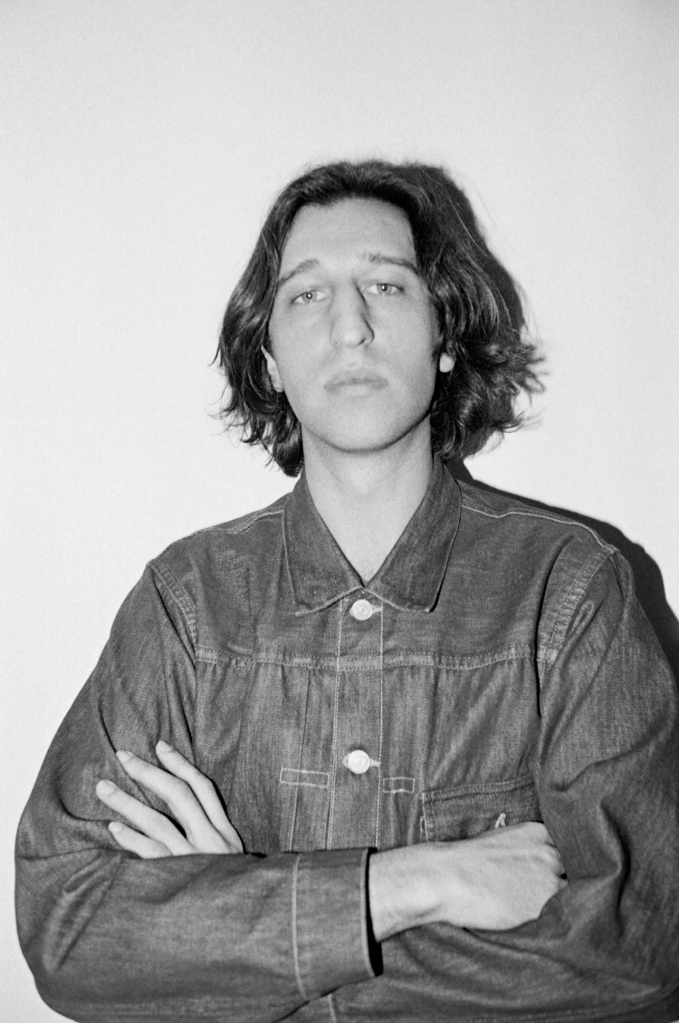
Edward Carey

Edward Carey discusses with Ivan six things which should be better known.

Edward Carey is a writer and illustrator who was born in North Walsham, Norfolk, England, during an April snowstorm. He is the author of the novels Observatory Mansions and Alva and Irva: the Twins Who Saved a City, and of the YA Iremonger Trilogy, which have all been translated into many different languages and all of which he illustrated. His 2018 novel Little has been published in 20 countries. His novella The Swallowed Man, set inside the belly of an enormous sea beast, was published in 2022. His latest novel Edith Holler will be published on 3rd October by Gallic Books.

He has written plays for the National Theatre of Romania and the Vilnius Small State Theatre, Lithuania. In England his plays and adaptations have been performed at the Young Vic Studio, the Battersea Arts Centre, and the Royal Opera House Studio. He has collaborated on a shadow puppet production of Macbeth in Malaysia, and with the Faulty Optic Theatre of Puppets.

Edward will be in the UK in October and speaking about Edith Holler in bookshops around the country: Waterstones Trafalgar Square (3rd October), Mr B’s Emporium (4th October), Blackwells Oxford (5th October), Blackwells Manchester (7th October) and Dragon Hall, National Centre for Writing in Norwich (8th October).

1. Commonplace books https://balzerdesigns.typepad.com/balzer_designs/2023/06/what-is-a-commonplace-book.html

2. Whitby Museum https://whitbymuseum.org.uk/


3. The art of Charles Altamont Doyle https://huntington.org/exhibition/unseen-world-charles-altamont-doyle

4. The fairy tales of Giambattista Basile https://www.britannica.com/biography/Giambattista-Basile

5. Norwich undercrofts https://www.norwichunderground.xyz/undercrofts/

6. Victorian toy theatres https://craftsmanship.net/the-rise-and-fall-of-toy-theatre/
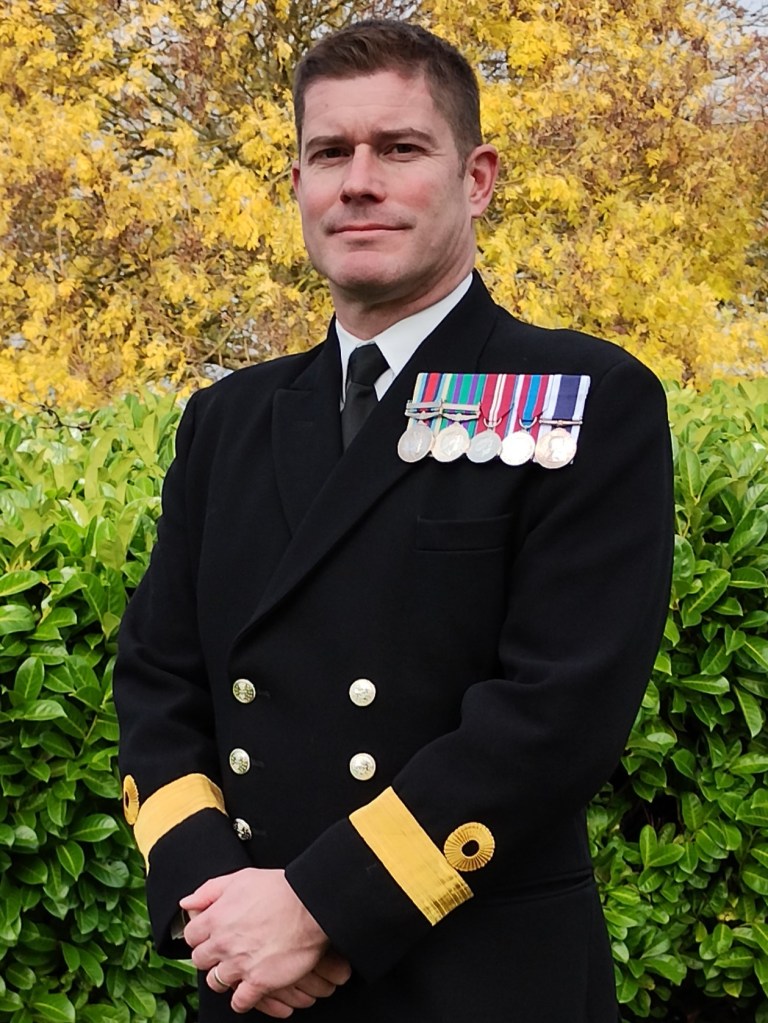
Steve Prest

Steve Prest discusses with Ivan six things which should be better known.

Steve Prest was a Weapon Engineer Officer who joined the Royal Navy after reading Electronic and Electrical Engineering at Loughborough University. He served in the Defence Communications Services Agency in Corsham in support of Op TELIC 1 (Iraq); undertook a short tour in Afghanistan as a Liaison Officer to Task Force Helmand; and has served on exchange with the French Navy. In the UK he has worked in Defence Equipment and Support, MOD, the Permanent Joint Headquarters and the Maritime Capability Division of Navy Command Headquarters.

At sea he was the Weapon Engineer Officer in HMS WESTMINSTER undertaking operations in the Mediterranean (Libya), Arabian Gulf and Indian Ocean; and then the Commander Weapon Engineer in HMS QUEEN ELIZABETH, bringing the ship out of build and home to Portsmouth.

Joining the nascent Navy Acquisition organisation in 2017, he was previously the Programme Director of the Type 31 Frigate Programme. He then became Deputy Director Navy Acquisition (Equipment and Systems), and Senior Responsible Owner (SRO) for the Maritime Electronic Warfare and Mine Hunting Capability Programmes. He fulfilled the role of Director Navy Acquisition from September 2022 until May 2023 and finished his career as Deputy Director People Change Programmes in Navy Command HQ.

Still working out what he wants to do when he grows up, Steve is now an independent consultant, advisor, commentator and speaker in the Defence sector and beyond. He has set up his own company, Alatar Ltd, and his self-appointed mission is “to help brilliant people to do amazing things”.

He is married to Kerry and they live on the Hampshire coast with their daughter, Emily. He enjoys reading and is a keen fan of most sports, participating when time and body allow.

  1. The Royal Navy and what it does.
  2. That life is stochastic not based on fate, otherwise risk management wouldn’t work!
  3. The Scouring of the Shire – from Lord of the Rings. It was a crucial part of the narrative arc in the books but missed out from the otherwise brilliant films.
  4. Captain Cook. Everyone knows that he “discovered” Australia (he didn’t really, but…) but his qualities as a leader and maritime professional should be better known.
  5. That inclusive leadership isn’t “woke nonsense” but is, at its heart, just good leadership.
  6. Bluestone 42 – a BBC comedy drama about a British bomb disposal detachment details the camaraderie and bonds shared between the soldiers in the unit as they risk their lives defusing bombs.

Stop the war

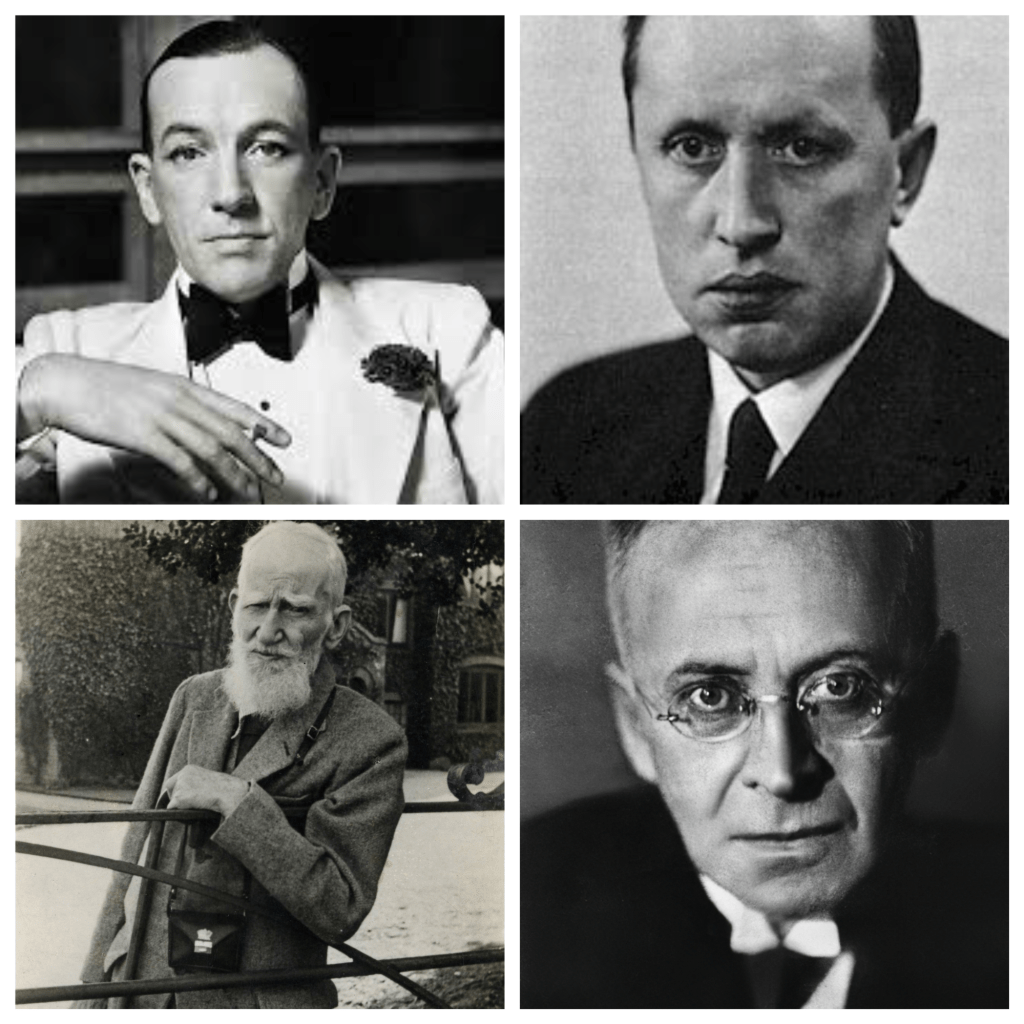
Ivan Wise discusses four anti-war plays which should be better known.

  1. Post Mortem by Noel Coward http://www.ww1plays.com/2015/07/noel-cowards-serious-war-play.html
  2. The White Disease by Karel Capek https://artsfuse.org/198970/arts-commentary-pestilence-on-stage-part-one-karel-capeksthe-white-plague/
  3. O’Flaherty VC by George Bernard Shaw https://en.wikipedia.org/wiki/O%27Flaherty_V.C.
  4. Last Days of Mankind by Karl Kraus https://www.theguardian.com/culture/1999/dec/13/artsfeatures4

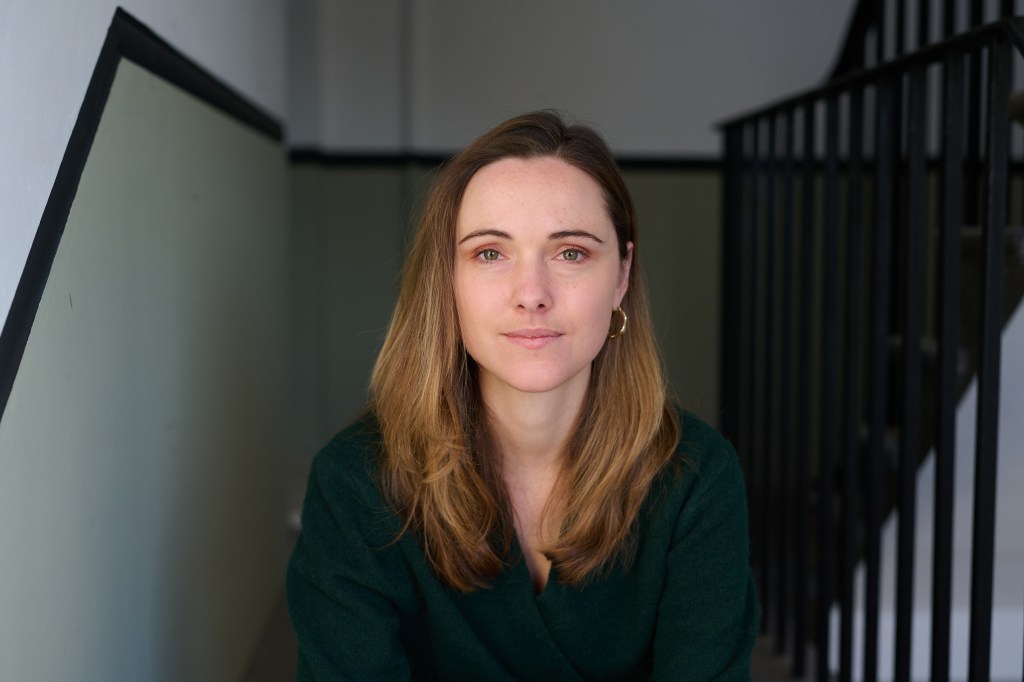
Marieke Bigg

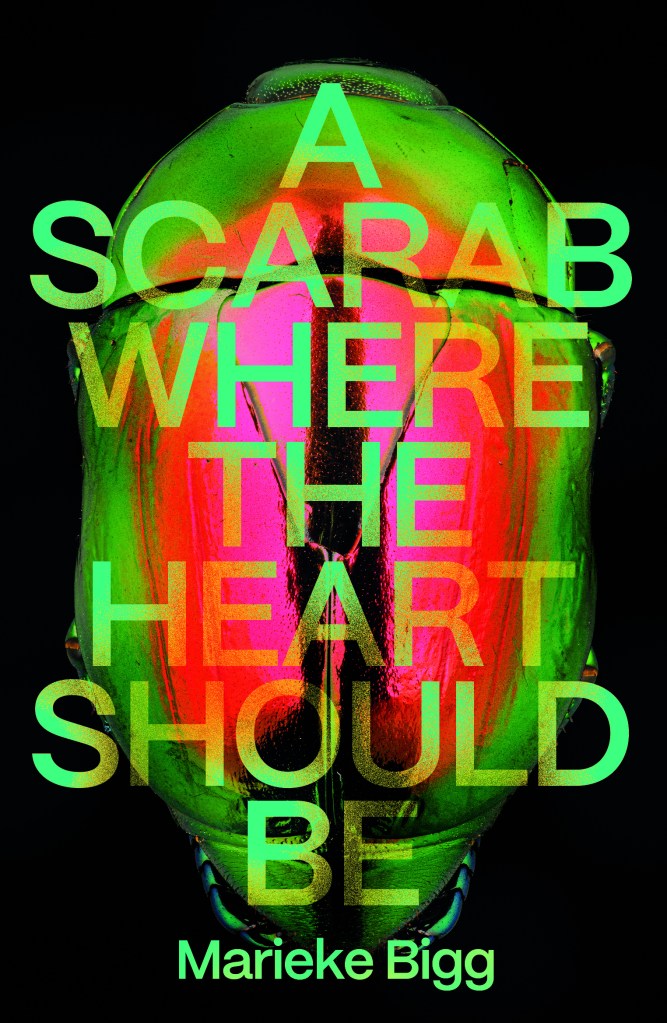
Marieke Bigg is the author of Waiting for Ted, and This Won’t Hurt. Writing across fiction and non-fiction, she deconstructs the cultural givens around bodies, minds and identity. She holds a PhD in Sociology from the University of Cambridge, where she studied the technological transformation of human reproduction. In addition to her books, Marieke speaks about the sociology of medicine and psychiatry, and collaborates with biologists and artists to explore the social potential of science. She is also a training psychotherapist. She now lives in London. Her new book is A Scarab Where The Heart Should Be.

1. In Vitro Fertilisation – while most people know what it is, knowing more about this process and its history opens up new ways of thinking about the role of reproduction in society and will have us questioning what we currently regard as natural truths

2. Bruder Klaus Field Chapel, Peter Zumthor – a chapel mentioned in my book,shaped by pouring concrete over 112 tree trunks that were burnt away. Designed as a space to be, and raises questions about our connection to nature, and how we nourish our need for trascnendece in a secular age. (an unmet need that drives much of my protagonists’ choices) 

3. Taxonomy – how when we learn the names of natural things, we look more closely, and experience our place in nature. 

4. In Praise of Shadows, Jun’ichirō Tanizaki – the ideas in this essay are often around for me, and also guided my thinking about my prtoagonist. The essay on traditional Japanese astheatics is a warning against an incessant pursuit of light (perfection, stimulation, happiness) in Western culture. 

5. Anne Mclaren – an embryologist who I wrote my PhD on. Fascinating scientist who worked on IVF, sending mice to space with NASA, worked with Russian scientists during the cold war, and starred in an HG Wells film as a child. 

6. The Way Out is In – podcast by followers of the Buddhist monk and peace activist, Thit Naht Tahn. A refreshing, simple and profound set of conversations that return me to the present and remind me that most answers to life’s difficulties lie in how I relate to them.

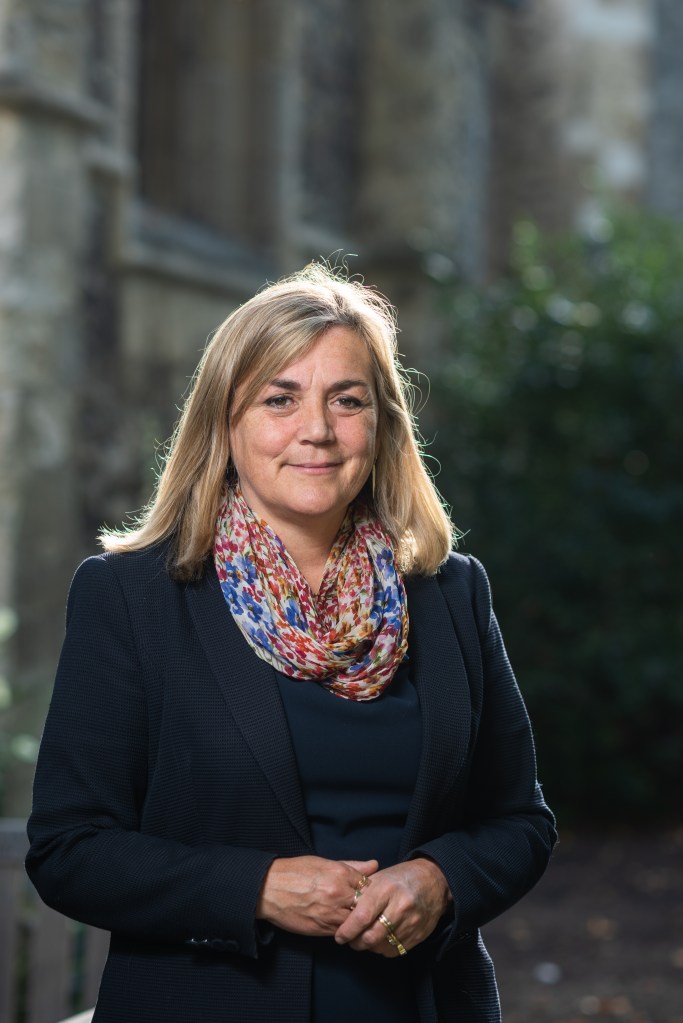
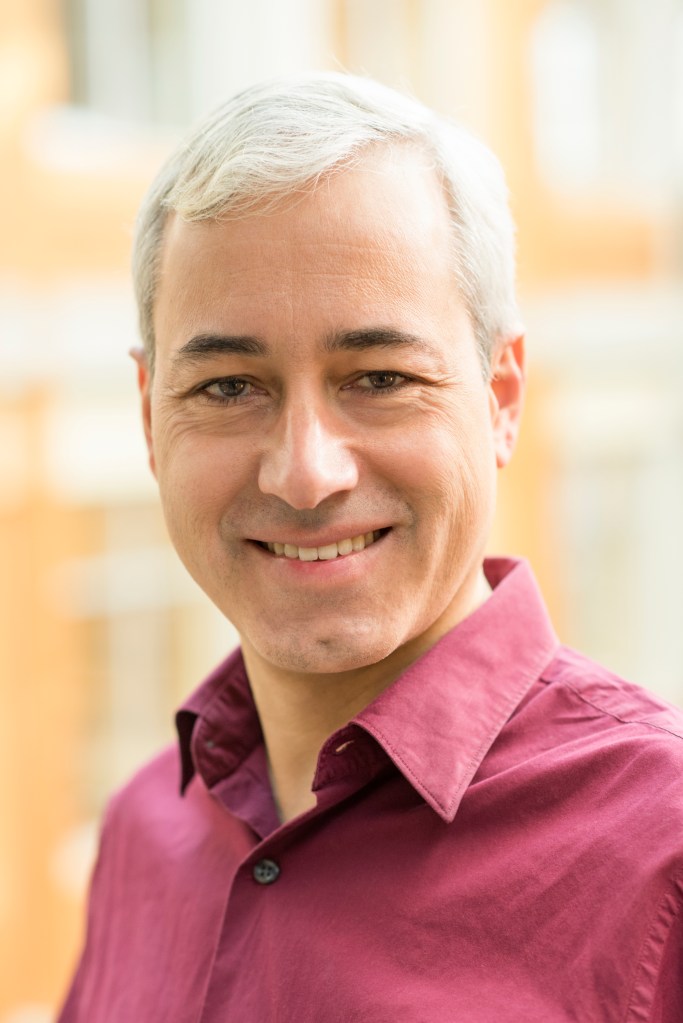
Kathy Willis

photo (c) John Cairns

Kathy Willis discusses with Ivan six things which should be better known.  

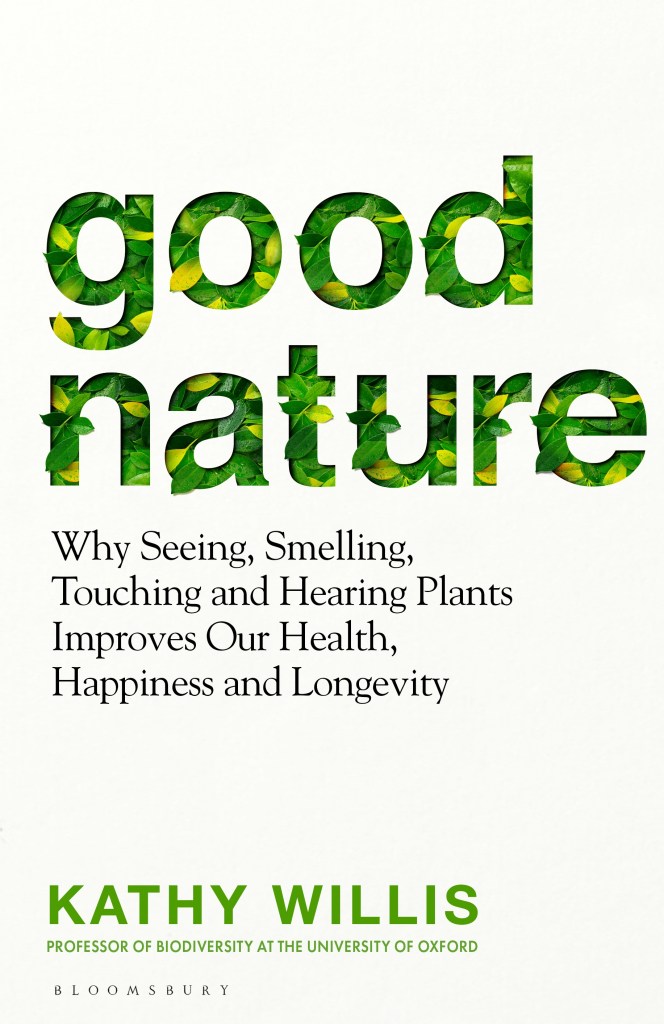
Katherine Willis CBE is Professor of Biodiversity in the department of Biology and the Principal of St Edmund Hall, University of Oxford. She is also a Crossbench Peer in the House of Lords. Previous roles include Director of Science at the Royal Botanic Gardens, Kew, and a member of the UK Government’s Natural Capital Committee. In 2015, Kathy was awarded the Michael Faraday Medal for public communication of science from the Royal Society. Her new book is Good Nature: The New Science of How Nature Improves Our Health.


1. Staring out of a window onto greenery instead of a brick wall or a general urban scene. Why? Because the view of greenery can trigger changes in our bodies that lead to a reduction in stress and improved cognitive performance (better attention to detail) when we return to the task we were undertaking before staring out of the window.  

2. Having a vase of yellow or roses or houseplant with green-white leaves on your desk. Why? Because when we do so, clinical experiments indicate that even just viewing these plants on our desk can lower our blood pressure and make us less anxious.  

3. Even if you only have 20 minutes for your walk or run, always head for the park/urban green space. Why? Because experiments show that there is a much greater reduction in our stress hormones (salivary amylase, cortisol and adrenaline) if we exercise in green space rather than on the streets. This stress relief is also found with sitting as well – so we don’t have to pound the pavements to gain these benefits.

4. Garden without your gloves. Why? Because experiments show when we do so the environmental microbiota (good bacteria) found in biodiverse environments, including organic soils, is transferred onto our skin and into our gut. In effect, our gut takes on the signature of the environmental microbiome that we are in. Why is this important? Because these bacteria are the same ones that have been shown to trigger all sorts of positive health outcomes (and we try to increase by drinking probiotic drinks etc). For example, experiments have shown that children and adults who garden without gloves and/or play in the soil, have a greatly increased diversity of these good microbes in their guts, and reduced inflammatory markers in their bloods when they do so.

5. Visit the Mediterranean garden at the Royal Botanic Garden, Kew. Why? Because this hidden gem at Kew has a whole host of health benefits associated with it due to the smells (volatile organic compounds) given off by the mediterranean herbs lavender, rosemary, and mint. When we smell the scent emitted these herbs, some of the compounds emitted by these plants pass across the lung membrane into our blood. Once in our blood they appear to interact with similar biochemical pathways to those found in some prescription drugs taken for anxiety, and various other anti-inflammatory effects. They also appear to affect brain wave activity associated with sleep. Lavender for example, is shown to result in triggering brain wave activity that results in longer intervals of deep sleep – whereas rosemary keeps us alert and awake.  

6. Buy a diffuser and diffuse the scents of cypress trees in your home or office.  Why? Because clinical experiments and field trials are showing that when we do so, not only are stress hormones reduced, but also it can trigger a significant increase of natural killer cells in our blood. These are the cells that attack cancerous cells and viruses, and ones that we really want in our blood to enhance our resilience to these non-communicable diseases that currently account for over 70% of deaths globally. (Just as an aside – a lot of the smells currently sold in supermarkets for diffusers do not have any known clinical health effects – I therefore buy via the internet Japanese hinoki oil and diffuse this – along with pine oil (which again has many anti-inflammatory health benefits).  

Bruce Omar Yates

Bruce Omar Yates discusses with Ivan six things which should be better known.

Bruce Omar Yates was born in London to an English father and an Indian mother. Bruce grew up in the South of France before returning to London to study Literature and Film at King’s College London. Bruce is principal songwriter for the cult rock groups Famy, who released their album We Fam Econo in 2014, and Los Porcos, who released their album Porco Mio in 2016. The Muslim Cowboy is his first novel and is out now from Dead Ink Books.

1. English Milk Punch: a delicious low-ABV punch made from brandy, tea, spices and milk. It was popular in Victorian times – Dickens would drink it – as it is shelf stable. After refrigeration came along it lost popularity.

2. I Cantautori Genovesi: Fabrizio De Andre, Gino Paoli, Luigi Tenco (and others) – a group of arty, literary songwriters from Genoa in the 1960s. They would enter songs to compete against each other in the Sanremo Music Festival. Deep romance. Luigi Tenco shot himself after losing the competition one year.

3. Martin Maloney: A lesser celebrated but wildly influential painter from the YBA generation. His painting style is deliberately crude but makes deeply educated references to the canon. Contemporary figurative painting which is so often made in a deliberately crude style survives because he justified it first.

4. Sickle Cell Disease: One of the most common inherited diseases in the world, very cruel and life threatening, and particularly rife in West Africa and India. It is easily treatable, and access to affordable testing would be a cheap and easy fix, but no one’s done it yet due to neglect and allocation of resources to other more ‘sexy’ diseases with higher profiles.

5. The Gulag Archipelago: Not exactly unknown, but not enough people have read it. The subject of Soviet war crimes is neglected relative to their scale, the book had a big historical impact, and Solzhenitsyn was a really great writer.


6. Parenting: Discussion in the culture might make you think that parenting is exhausting, stressful, financially burdensome, and so on, but it’s not, it’s just wonderful.

Pedro Domingos

Pedro Domingos discusses with Ivan six things which should be better known.

Pedro Domingos is a renowned AI researcher, tech industry insider, and Professor Emeritus of Computer Science and Engineering at the University of Washington. He is the author of the best-selling book The Master Algorithm: How the Quest for the Ultimate Learning Machine Will Remake Our World (Basic Books, 2015), which has been translated into over twelve languages and sold over 300,000 copies. His new book is 2040: A Silicon Valley Satire.

1. Moravec’s paradox: what seems hard for AI is easy and vice-versa. https://www.scienceabc.com/innovation/what-is-moravecs-paradox-definition.html

2. Automation creates more jobs than it destroys, and AI is no exception. https://www.paltron.com/insights-en/does-ai-create-more-jobs-than-it-destroys

3. John von Neumann was the greatest genius of the 20th century. https://www.nytimes.com/2022/02/23/books/review-man-from-future-john-von-neumann-ananyo-bhattacharya.html

4. Olaf Stapledon’s “Star Maker” is the greatest science fiction novel of all time. https://yardsaleofthemind.wordpress.com/2021/08/25/olaf-stapledons-star-maker-book-review/

5. “Her” is that rare thing: a realistic depiction of AI in a movie. https://www.wired.com/story/spike-jonze-her-10-year-anniversary-artificial-intelligence/

6. Portugal’s discoveries in the 15th and 16th centuries started the age of globalization. https://www.history.com/news/portugal-age-exploration

Harriet Constable

Harriet Constable is a journalist and filmmaker based in London. Her journalism and documentary work has featured in outlets including the BBC, Economist and New York Times. She is a graduate of Colombia University’s School of Journalism summer school, is a Pulitzer Center grantee and a fellow of the Royal Society of Arts. Her first novel is The Instrumentalist.

1. Anna Maria della Pietà: the greatest violinist of 18th century, possibly a composer in her own right, fundamental to Vivaldi’s music, grew up in the extraordinary Ospedale della Pietà – the original conservatoire of music

2. Synaesthesia: people think it’s seeing music through colour – which it is in The Instrumentalist – but it’s more than that. Words can have smells and taste, one sense can trigger another in profound ways.

3. Bach’s Cello Suite in G minor while standing on a mountain: anyone can enjoy classical music, it’s supposed to be listened to LOUDLY, it’s supposed to be magnificent. Go somewhere epic, ideally in nature, and play this piece. Track the mountain with your eyes.

4. The Foundling Museum: the UK’s first children’s charity, a heartfelt ode to the orphans and their parents.

5. Female musicians: Fanny Mendelssohn, Clara Schulman, Nannerl Mozart, Francesca Caccini – listen to Nocturne in G minor

6. Spaghetti Aglio Olio

C. Michelle Lindley

C. Michelle Lindley discusses with Ivan six things which should be better known.

C. Michelle Lindley’s writing has been featured in The Georgia Review, Conjunctions, and more. She has received support from the National Endowment for the Arts and has an MFA in Creative Writing from Cornell University and a BA from the University of Berkeley in English and Art History. The Nude is her first novel.

1. Dictee by Theresa Hak Kyung Cha https://asianreviewofbooks.com/content/dictee-by-theresa-hak-kyung-cha/

2. 2022 Irma Vep remake https://www.hollywoodreporter.com/tv/tv-reviews/irma-vep-tv-review-1235151952/

3. The Island of Naxos https://www.tripadvisor.co.uk/Tourism-g189431-Naxos_Cyclades_South_Aegean-Vacations.html

4. The Pie Scene from David Lowery’s A Ghost Story https://www.thewrap.com/rooney-mara-devoured-pie-9-minute-ghost-story-scene/

5. Ana Mendieta’s Ocean Bird Washup https://www.ft.com/content/a6c4090e-2cda-11e3-8281-00144feab7de

6. Kate Braverman https://www.poetryfoundation.org/harriet-books/2019/10/rip-kate-braverman-1949-2019

Richard Davenport-Hines

Richard Davenport-Hines discusses with Ivan six things which should be better known.

Richard Davenport-Hines is a British historian and literary biographer. His history of the Profumo scandal, An English Affair, was published in 2013. His book on espionage scandals, Enemies Within: Communists, the Cambridge Spies and the Making of Modern Britain was published in January. His other books include biographies of W. H. Auden, Marcel Proust and John Maynard Keynes. He was a Visiting Fellow at All Souls College, Oxford in 2016. His new book is History in the House: Some Remarkable Dons and the Teaching of Politics, Character and Statecraft.

  1. Anthony Quayle’s novel Eight Hours from England https://thelastwordbookreview.com/2019/09/22/eight-hours-from-england-by-anthony-quayle/
  2. Wrest Park in Bedfordshire https://www.english-heritage.org.uk/visit/places/wrest-park/
  3. The Merlin app that can identify birdsong https://merlin.allaboutbirds.org/
  4. Christopher Spence, founder of London Lighthouse hospice
    https://www.theguardian.com/society/2007/may/23/publicservicesawards29
  5. Raccoons https://www.peta.org.uk/blog/13-astounding-facts-didnt-know-raccoon-dogs/
  6. Feedback, the global campaign against food-waste & the ecological damage done by bad agricultural practices https://feedbackglobal.org/about-us/