

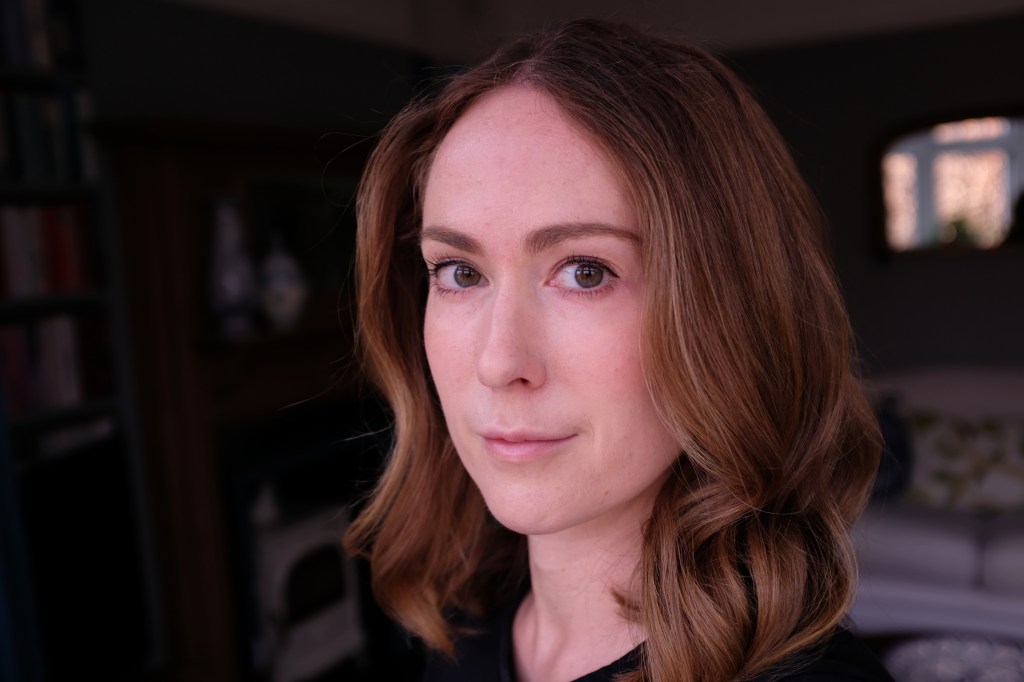
Jo Harkin discusses with Ivan six things which should be better known.
Jo Harkin studied literature at university. She daydreamed her way through various jobs in her twenties before becoming a full-time writer. Her debut novel Tell Me an Ending was a New York Times book of the year. Her new novel is The Pretender. She lives in Berkshire, England.
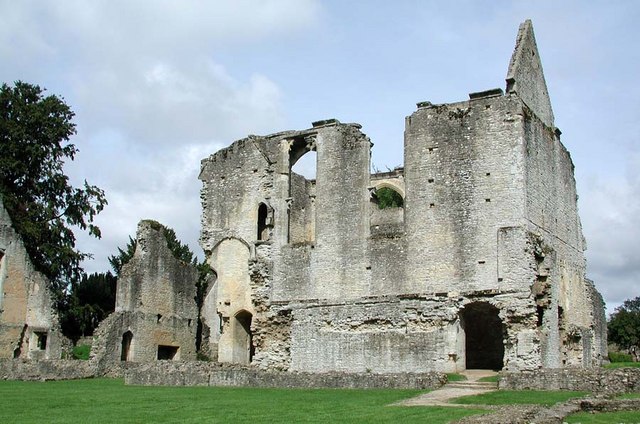
1. The ruin of Minster Lovell. This was the estate of the Viscount Lovell, one of the main characters in The Pretender. It’s got enough standing walls and a beautiful vaulted entryway to allow you to imagine life there, but also the setting is stunning. It’s in the Cotswolds countryside next to a river – which begins a picturesque walk – an old church, a tiny village, and a traditional dovecot. Legend has it that after Lovell disappeared following the battle of Stoke, he hid in a secret room of this house for years, and in the 1700s his skeleton was found in that chamber. Sadly this fun story isn’t likely to have any truth to it, as Lovell had been a political exile for years before the battle and his house had already been given to allies of Henry VII.
2. Alice Chaucer’s tomb, and the concept of the Memento Mori. An hour away from Minster Lovell, in Oxfordshire, are the former lands of the Earl of Lincoln, another main character in the novel. In the pretty village of Ewelme, St Mary’s church contains the tomb of Alice Chaucer – grand-daughter of the poet himself, and the grandmother of Lincoln. At first glance the tomb looks like a traditional effigy: a clothed woman, lying on her back, hands in prayer position, eyes closed. But below this, if you peer through the decorative stonework, you can see a very different alabaster effigy, this time depicting a dessicated, gaunt corpse with staring eyes and loose hair. This was meant to show the reality of death, and to function as a memento mori – a reminder of what’s coming to us all.
Medieval people loved reminders of death. They had wall art depicting people dancing with skeletons, jewellery showing living lovers on one face and Death on the other. And I actually like this as a concept. Imagining yourself as a corpse really does focus the mind. It snaps you out of autopilot and makes you more grateful for life and your loved ones. Marcus Aurelius recommended imagining, as you kiss your family good night, that they won’t wake up in the morning. Obviously, don’t go too far with it and sink into a depression. Just allow a touch of that awareness to sharpen your appreciation of life.
3. The Fabliaux. A modern English verse translation of medieval French Fabliaux. These were stories told across all levels of medieval society. And they were absolutely filthy. These make The Miller’s Tale look like Mary Poppins. When I read it I’d already started the novel, including what I thought were some fairly spicy conversations and sex scenes. I realised that a medieval reader would have found it laughably tame. I had to go back and turn up the obscenity dial.
4. The pre-potato pea pottage. A recipe for an overlooked and delicious medieval dish.
5. The British Library Treasures room has a permanent display of original books, maps and manuscripts, including medieval and Tudor era items such as pages from Leonardo da Vinci’s notebooks, Beowulf, and the first printing of the Canterbury Tales.
6. Misericords. Westminster Abbey is on every London tourist’s must see list, but often-overlooked feature are the misericords. In the magnificent Henry VII’s chapel, where his and Elizabeth of York’s tombs are located, the original 16th century hinged oak seats were not visible to the general public and they were accordingly carved with fantastical and humorous images of monsters, devils, pigs playing pipes, mermaids, monkeys, women hitting poorly behaved men, and a fair amount of nudity.
 Better Known