

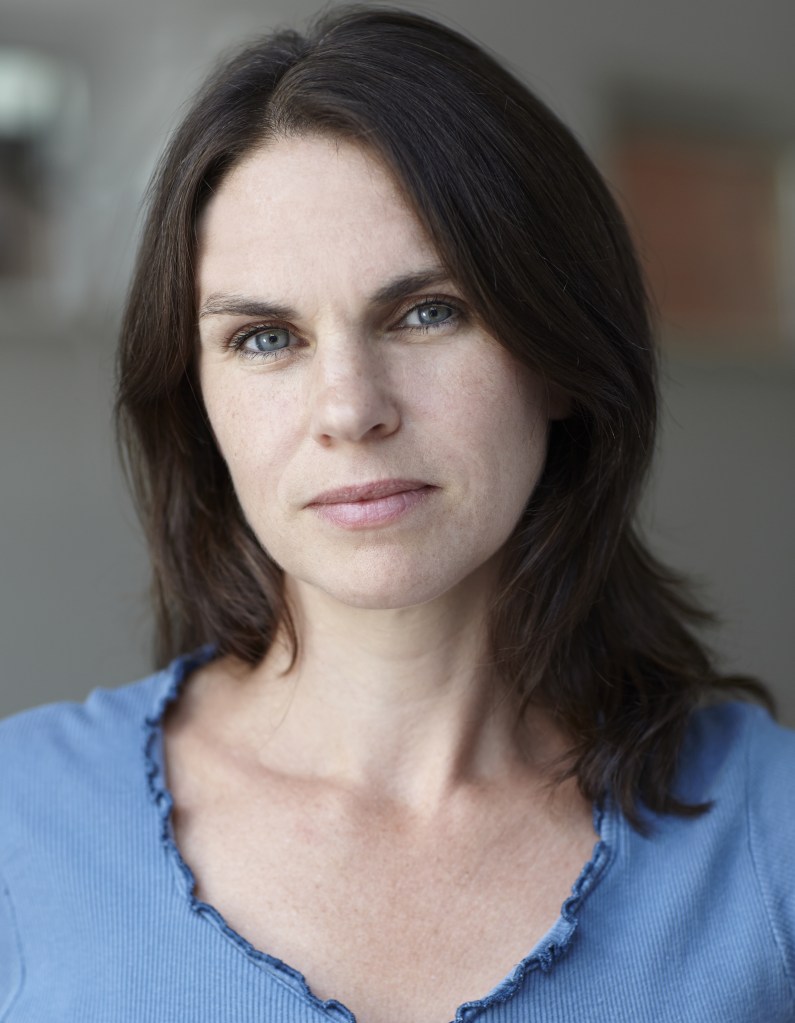
Historian Alice Hunt discusses with Ivan six things which should be better known.
Alice Hunt is Professor of Early Modern Literature and History at the University of Southampton. She is the author of The Drama of Coronation (Cambridge University Press) and has previously written about the Tudors and James I, and often appears in the media to discuss monarchy. Her new book is Republic: Britain’s Revolutionary Decade 1649-60. She lives in Winchester.
- The Republic. The fact that we once were a republic, that it was called and known as a republic, and what this republic was actually like should all be better known.
- Richard Cromwell. Eldest surviving son of Oliver Cromwell who succeeded his father as Lord Protector. That he once held the top job should be better known, but also what he was really like, and why he didn’t survive, should be better known. He has been misrepresented cruelly by history as ‘Tumbledown Dick’.
- Samuel Hartlib. Polish entrepreneur who moved to England and flourished in the creative, reforming energy of the 1650s. An inveterate communicator and intelligencer, he knew everyone who was anyone at the time and had a finger in every pie. He feverishly promoted ideas to the new republican government that were way ahead of their time: paper money, a national bank, a health service, state schools, the return of the Jews.
- The Compleat Angler by Izaak Walton. This beautiful, sweet, quiet book about fishing was a huge bestseller in the 1650s. It went into multiple editions, has never been out of print, and is still in print today. Why was this book so famous? And what does it tell us about the time?
- Forde Abbey, Dorset. I absolutely loved discovering Forde Abbey during the research for this book. This former Cistercian monastery, nestled in the valley of the River Axe, completely transformed my thinking about who the puritan, republican men were who governed England at this time, and what drove and motivated them. Edmund Prideaux – Cromwell’s attorney general and MP for Lyme Regis –bought and restored Forde Abbey in 1649. The house is now privately owned but is open to the public.
- The Experimental Philosophy Club. This is the name of the society of young, curious, committed scientists who met in Oxford during the 1650s to share ideas and plan experiments. Its members included Robert Boyle, Robert Hooke, Christopher Wren. They later became known as the Royal Society – and their associations with the republican years papered over and forgotten.
 Better Known