

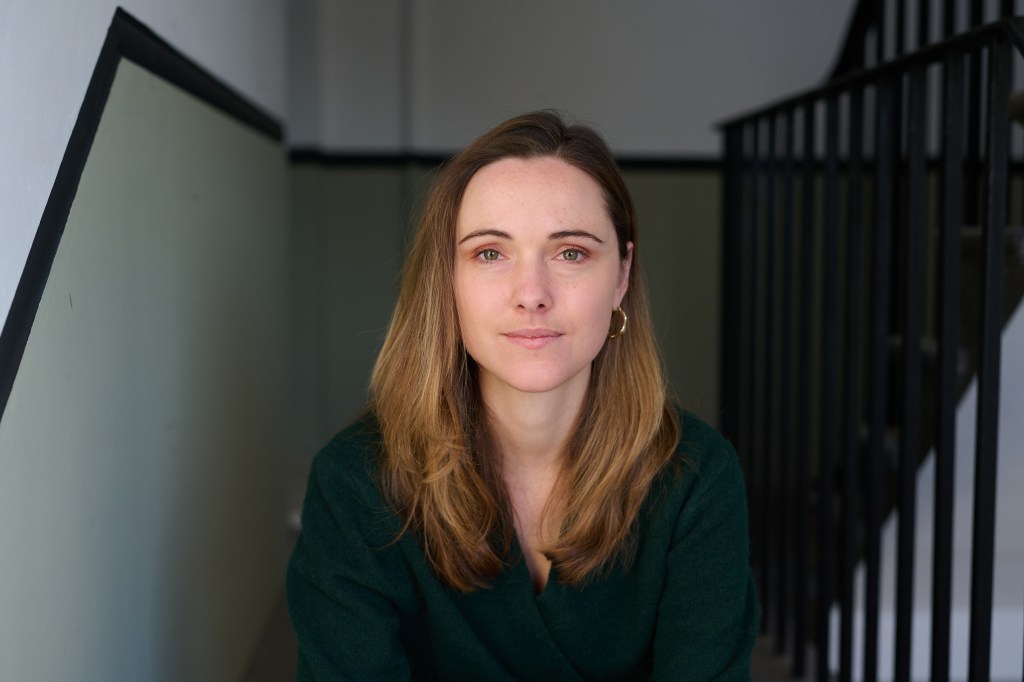
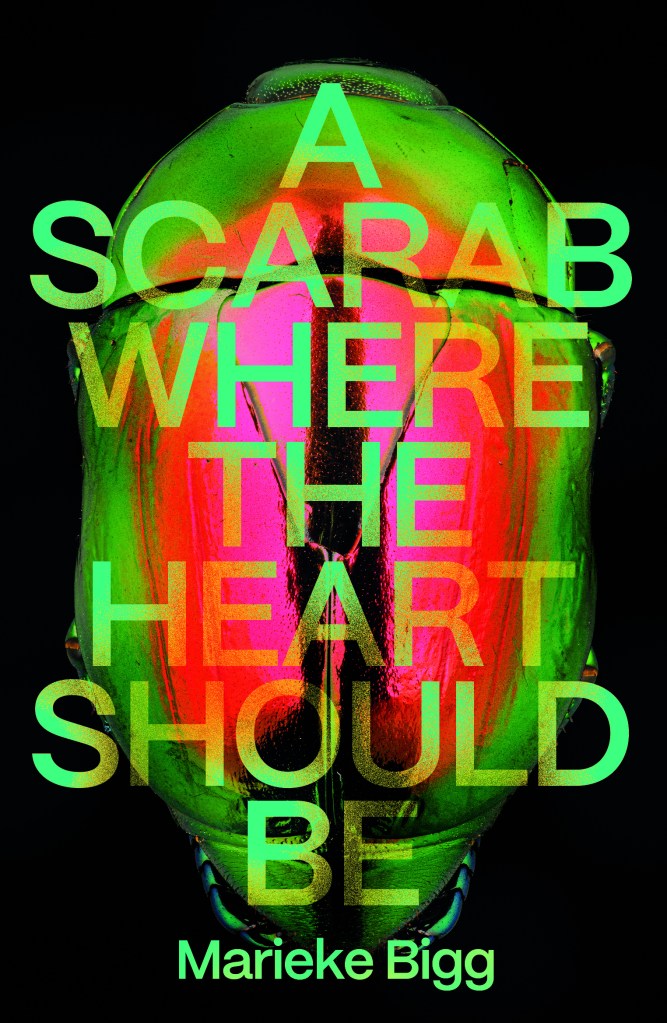
Marieke Bigg is the author of Waiting for Ted, and This Won’t Hurt. Writing across fiction and non-fiction, she deconstructs the cultural givens around bodies, minds and identity. She holds a PhD in Sociology from the University of Cambridge, where she studied the technological transformation of human reproduction. In addition to her books, Marieke speaks about the sociology of medicine and psychiatry, and collaborates with biologists and artists to explore the social potential of science. She is also a training psychotherapist. She now lives in London. Her new book is A Scarab Where The Heart Should Be.
1. In Vitro Fertilisation – while most people know what it is, knowing more about this process and its history opens up new ways of thinking about the role of reproduction in society and will have us questioning what we currently regard as natural truths
2. Bruder Klaus Field Chapel, Peter Zumthor – a chapel mentioned in my book,shaped by pouring concrete over 112 tree trunks that were burnt away. Designed as a space to be, and raises questions about our connection to nature, and how we nourish our need for trascnendece in a secular age. (an unmet need that drives much of my protagonists’ choices)
3. Taxonomy – how when we learn the names of natural things, we look more closely, and experience our place in nature.
4. In Praise of Shadows, Jun’ichirō Tanizaki – the ideas in this essay are often around for me, and also guided my thinking about my prtoagonist. The essay on traditional Japanese astheatics is a warning against an incessant pursuit of light (perfection, stimulation, happiness) in Western culture.
5. Anne Mclaren – an embryologist who I wrote my PhD on. Fascinating scientist who worked on IVF, sending mice to space with NASA, worked with Russian scientists during the cold war, and starred in an HG Wells film as a child.
6. The Way Out is In – podcast by followers of the Buddhist monk and peace activist, Thit Naht Tahn. A refreshing, simple and profound set of conversations that return me to the present and remind me that most answers to life’s difficulties lie in how I relate to them.
 Better Known